
Introduction
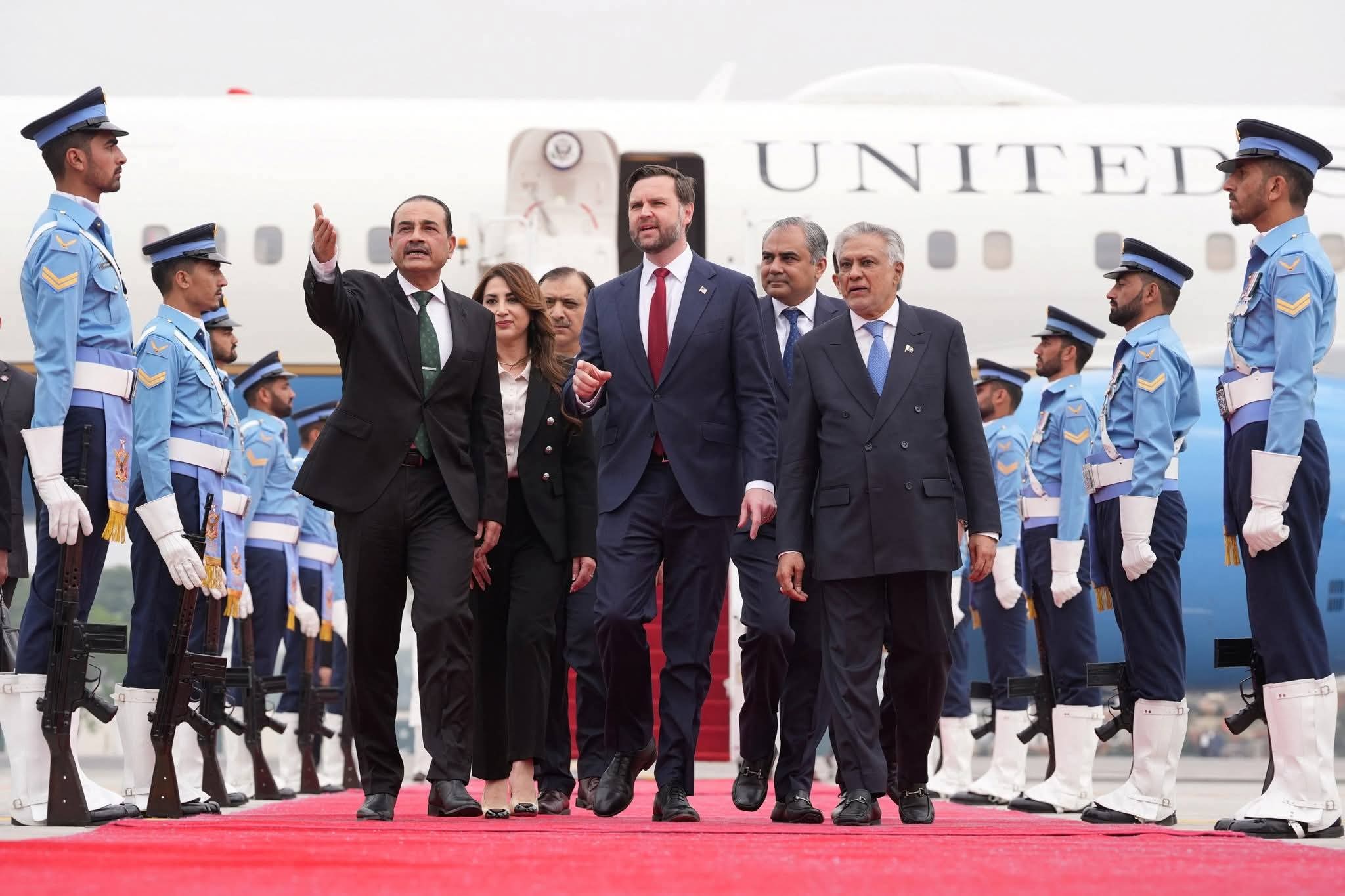
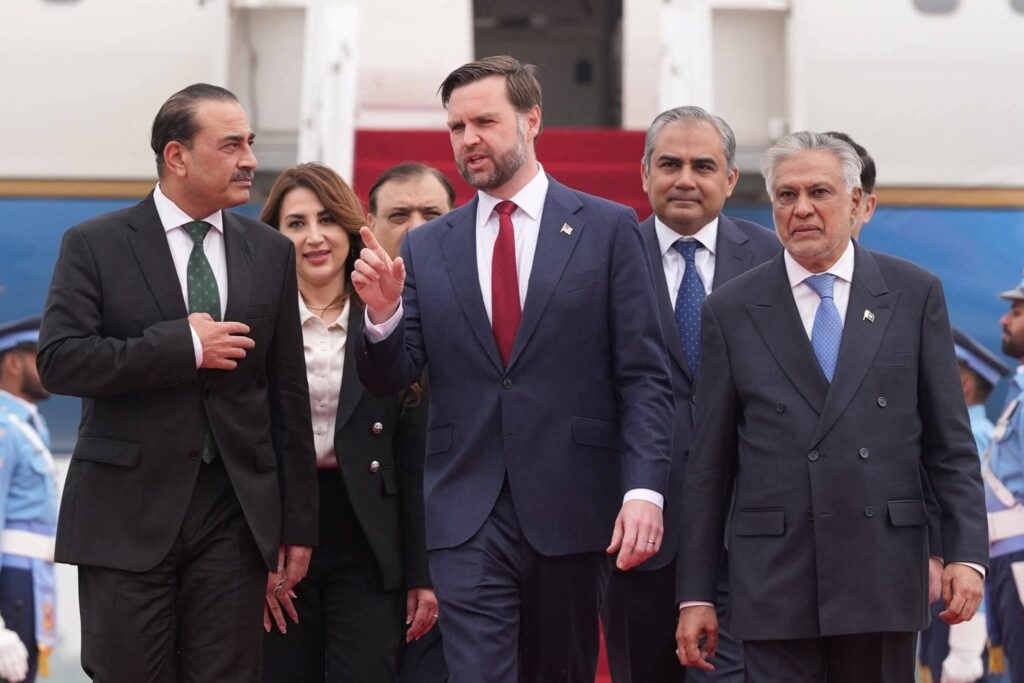
In a major diplomatic breakthrough, Pakistan is hosting high-level talks between the United States and Iran in Islamabad. The meeting between U.S. Vice President JD Vance and Iranian officials signals a critical moment in ongoing efforts to prevent further escalation in the Middle East.
With a fragile ceasefire already under pressure, these discussions could either pave the way for peace—or deepen the crisis.
Why Pakistan Is Hosting US–Iran Talks
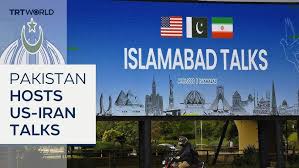
Pakistan’s involvement as a mediator reflects its growing diplomatic importance in global politics. By providing neutral ground, Pakistan aims to ease tensions between two long-standing rivals. This move also positions Pakistan as a key player in international conflict resolution, especially at a time when regional stability is at risk
Iran’s Conditions for Negotiation
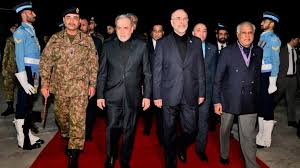
The Iranian delegation, led by Mohammad Bagher Qalibaf, has taken a firm stance ahead of negotiations. Iran has made it clear that talks will only move forward if:
- Israel agrees to a ceasefire in southern Lebanon
- Frozen Iranian financial assets are released
These demands highlight Iran’s strategic priorities and its cautious approach toward negotiations
US Strategy and Pressure Tactics
U.S. President Donald Trump has adopted a strong tone regarding the talks. He has publicly stated that Iran has limited leverage and criticized its actions in the Strait of Hormuz.
The United States appears to be balancing diplomacy with pressure, aiming to push Iran toward concessions while keeping negotiations open.
Ceasefire Challenges in the Middle East
Despite diplomatic efforts, the ceasefire remains unstable. Ongoing clashes between Israeli forces and Hezbollah militants along the Lebanon border continue to threaten peace. Without immediate progress in Islamabad, the risk of renewed conflict remains high
Global Impact of the Talks
The outcome of these discussions could have significant global consequences:
1. Energy Markets
The Strait of Hormuz is a critical route for global oil supply. Any disruption could lead to rising fuel prices worldwide.
2. Regional Stability
Failure in negotiations may trigger wider conflict across the Middle East.
3. International Diplomacy Successful talks could strengthen Pakistan’s reputation as a neutral mediator in global conflicts
What Happens Next?
As negotiations continue in Islamabad, the world watches closely. The success of these talks depends on compromise, trust, and effective diplomacy. While there is hope for de-escalation, the situation remains unpredictable
Conclusion
The US–Iran talks in Pakistan represent a crucial opportunity to restore stability in a tense region. Whether this moment leads to lasting peace or further confrontation will depend on the decisions made at the negotiating table.
For now, Pakistan stands at the center of a diplomatic effort that could shape the future of global security.