
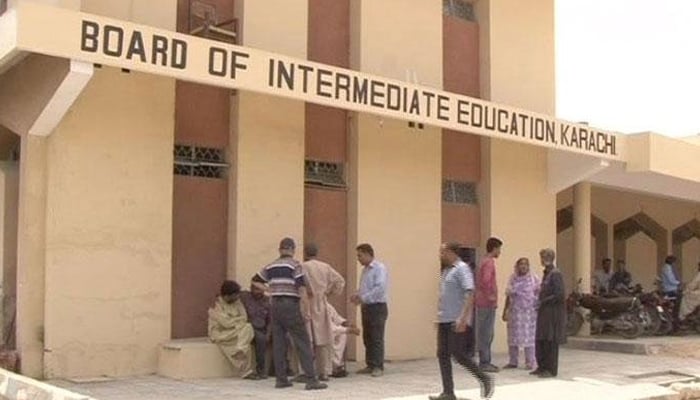
The federal government of Pakistan is considering launching a nationwide project to modernize all educational boards by equipping them with advanced technology, following the successful model of the Federal Board of Intermediate and Secondary Education (FBISE). This initiative aims to bring transparency, efficiency, and uniform standards across the country’s examination system.
Background of the Initiative
Over the past decade, FBISE has emerged as a benchmark for modern examination practices in Pakistan. Through digitized processes, secure assessment systems, and improved result management, the Federal Board has significantly enhanced the credibility and efficiency of examinations. Recognizing this success, the government now plans to replicate the FBISE model across all provincial and regional education boards.
Key Features of the Modernization Project
The proposed project focuses on introducing advanced technological solutions to strengthen examination and assessment systems nationwide. Key components include:
Digital examination systems to reduce human error and malpractice
Automated paper checking and e-marking for faster and more accurate results
Centralized data centers to securely store student and examination records
Modern software and scanning technologies for paper evaluation
Capacity building and IT training for board officials and staff
Use of Artificial Intelligence (AI) for assessment analysis and quality control
Objectives of the Project
The main objectives of the modernization plan are:
To ensure transparency and fairness in examinations
To create uniform standards across all education boards
To minimize delays in result compilation
To improve student trust and credibility in the examination system
To align Pakistan’s education system with international best practices
Expected Impact on Students and Institutions
If implemented successfully, this project will bring significant benefits for students, parents, and educational institutions. Students will experience timely results, reduced chances of errors, and a more reliable assessment system. Institutions will benefit from standardized procedures, better data management, and improved coordination with regulatory bodies.
Challenges and Way Forward
While the initiative shows great promise, its success depends on adequate funding, inter-provincial coordination, and proper training of personnel. The government is expected to work closely with provincial authorities, education departments, and technical experts to ensure smooth implementation.
Conclusion
The federal government’s plan to modernize all education boards on the FBISE model marks a significant step toward educational reform in Pakistan. By leveraging advanced technology and standardized systems, this initiative has the potential to transform the country’s examination framework, ensuring transparency, efficiency, and quality education for future generations.